- Email: inquiries@superstarscrdc.com
- Phone +1 (770) 464 6268
- Whatsapp +1 (470) 820 4734



Email: inquiries@superstarscrdc.com
Phone: +1 (770) 464 6268
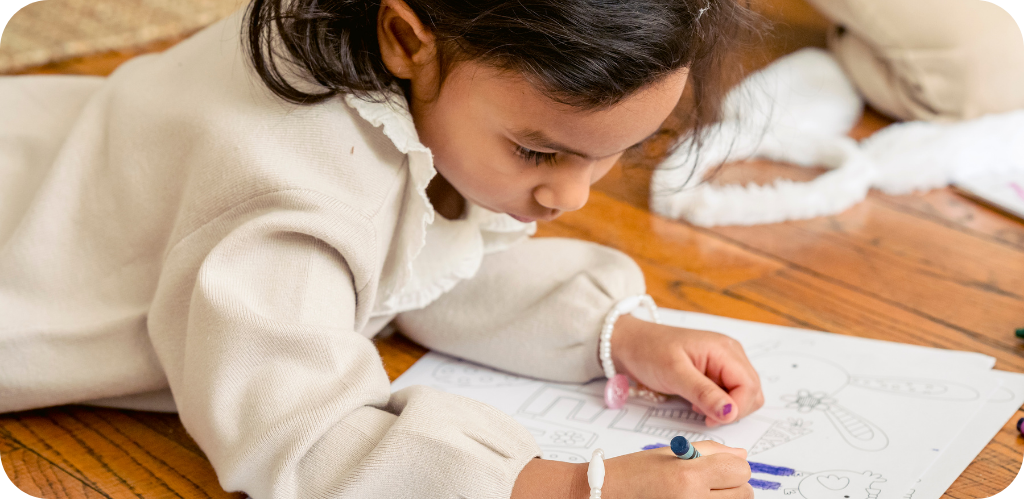
Children with neurodevelopmental disorders such as Autism Spectrum Disorder (ASD), ADHD, or sensory processing disorders often experience hyperactivity, emotional overwhelm, and emotional dysregulation. These challenges can manifest in a variety of ways, such as tantrums, impulsive behaviors, emotional outbursts, or difficulty focusing.
Calming techniques are essential tools that can help children manage these intense emotions and behaviors. These techniques not only help children self-regulate but also improve their overall emotional well-being and enhance their ability to engage in daily activities, learning, and social interactions.
At Superstars Child Development and Research Centre, we integrate calming techniques into our therapy programs to help children cope with overwhelming emotions and build better self-regulation skills. In this blog, we will explore the importance of calming techniques in managing hyperactivity, overwhelm, and emotional dysregulation in children, and how these techniques can support long-term emotional growth and success.
What is Emotional Dysregulation?
Emotional dysregulation refers to the inability to manage or control emotional responses in an appropriate way. Children with emotional dysregulation may experience intense emotional reactions, such as anger, frustration, or sadness, and struggle to return to a calm state. These emotional responses can often be out of proportion to the situation and can interfere with a child’s ability to function in everyday situations.
Children with hyperactivity and overwhelm may have difficulty processing sensory stimuli, regulating emotional responses, or adjusting to changes in routine or environment. This can lead to outbursts, meltdowns, or impulsive behaviors. However, by incorporating calming techniques, children can learn to self-soothe, manage their emotions, and engage more positively with their environment.
How Calming Techniques Help with Hyperactivity, Overwhelm, and Emotional Dysregulation
Calming techniques are interventions or strategies that help children reduce anxiety, hyperactivity, and emotional outbursts. These techniques aim to teach children how to manage their emotional states, reduce the intensity of hyperactivity, and regain control over their responses to overwhelming situations.
1. Deep Breathing and Relaxation Techniques
Deep breathing is one of the most effective and widely used calming techniques. By slowing the breath and focusing on inhaling and exhaling deeply, children can activate the body’s relaxation response, which helps to reduce anxiety and regulate emotions.
Research Insight:
According to Chiesa (2009), “Breathing techniques help reduce physiological arousal in children, allowing them to regulate their emotions more effectively.” Deep breathing exercises can also lower heart rate and blood pressure, promoting a state of calm.
How Superstars Helps:
At Superstars, we teach children deep breathing exercises using techniques like belly breathing (slow, deep breaths through the diaphragm) or 4-7-8 breathing (inhaling for 4 seconds, holding for 7 seconds, and exhaling for 8 seconds). These exercises can be practiced when children begin to feel overwhelmed or hyperactive and serve as a tool they can use in daily life to reduce emotional intensity.
Additionally, we teach progressive muscle relaxation (PMR), where children progressively tense and then relax different muscle groups to promote full-body relaxation. This technique helps children release physical tension associated with stress and improve their self-regulation.
2. Sensory Regulation Tools and Techniques
Children with sensory processing issues often feel overwhelmed by too much stimulation, such as loud noises, bright lights, or crowds. Sensory regulation techniques help children process sensory input in a way that is calming and not overwhelming.
Research Insight:
According to Miller et al. (2007), “Children with sensory processing issues often struggle with emotional regulation. Using sensory strategies like weighted blankets, sensory toys, and calming environments can help children self-regulate and reduce emotional overwhelm.”
How Superstars Helps:
At Superstars, we provide sensory breaks and use sensory-based tools to help children calm down and regain focus. Weighted blankets provide deep pressure stimulation, which has been shown to help children with sensory sensitivities and hyperactivity by promoting a sense of security and relaxation. Fidget toys or sensory bins are also used to help children focus their attention and calm their bodies in times of stress.
We also work on creating sensory-friendly environments by reducing visual clutter, lowering noise levels, and offering opportunities for children to engage in calming sensory activities like slow swinging, gentle rocking, or playdough manipulation.
3. Mindfulness and Visualization Techniques
Mindfulness helps children focus on the present moment and become aware of their thoughts, feelings, and physical sensations without judgment. By practicing mindfulness, children can learn to observe their emotional state, reduce anxiety, and manage hyperactivity.
Research Insight:
Zylowska et al. (2008) state, “Mindfulness-based interventions for children with ADHD improve attention, emotional regulation, and impulsivity by teaching children how to remain present and calm in the moment.”
How Superstars Helps:
At Superstars, we introduce mindfulness exercises to children to help them become more aware of their emotional and physical state. These activities include guided visualizations, where children imagine a calm, peaceful scene, or mindful listening exercises, where children focus on sounds around them, such as the wind or music. We also practice body scans, where children focus on relaxing each part of their body, starting from their toes and working up to their head.
These techniques help children become more in tune with their emotions, leading to better control over their reactions and a greater sense of calm during stressful moments.
4. Environmental Modifications for Emotional Regulation
The environment in which children are placed plays a significant role in how they respond to sensory and emotional stimuli. Overwhelming or chaotic environments can exacerbate emotional dysregulation and hyperactivity.
Research Insight:
According to Hammond (2005), “Environmental modifications that reduce overstimulation can significantly improve the emotional regulation and behavioral responses of children with ADHD and ASD.”
How Superstars Helps:
At Superstars, we focus on creating environments that are conducive to calm and focus. This might involve using soft lighting, calming colors, or quiet sensory spaces where children can retreat to when they are feeling overwhelmed. We also incorporate visual schedules to help children understand what is coming next, which can reduce anxiety and help them feel more in control.
We also collaborate with families to make similar adjustments at home and in school, such as creating calm-down corners with soft cushions, weighted items, and sensory toys, where children can go when they start to feel dysregulated.
5. Behavioral Techniques and Positive Reinforcement
Behavioral techniques, such as positive reinforcement, are essential in helping children regulate their emotions. By rewarding calm behavior and emotional regulation, children learn to associate self-control with positive outcomes.
Research Insight:
According to Lovaas (1987), “Using positive reinforcement techniques can help children with ASD and ADHD develop better emotional regulation and self-control by reinforcing appropriate behaviors.”
How Superstars Helps:
At Superstars, we use behavioral strategies to help children learn how to calm themselves when faced with challenging situations. This may include token systems, where children receive rewards for practicing calming techniques like deep breathing or taking a sensory break. We focus on reinforcing positive behaviors and providing praise when children successfully manage their emotions or calm themselves down.
By consistently reinforcing these behaviors, children develop a sense of mastery over their emotional regulation and become more adept at using calming techniques independently.




Comments are closed